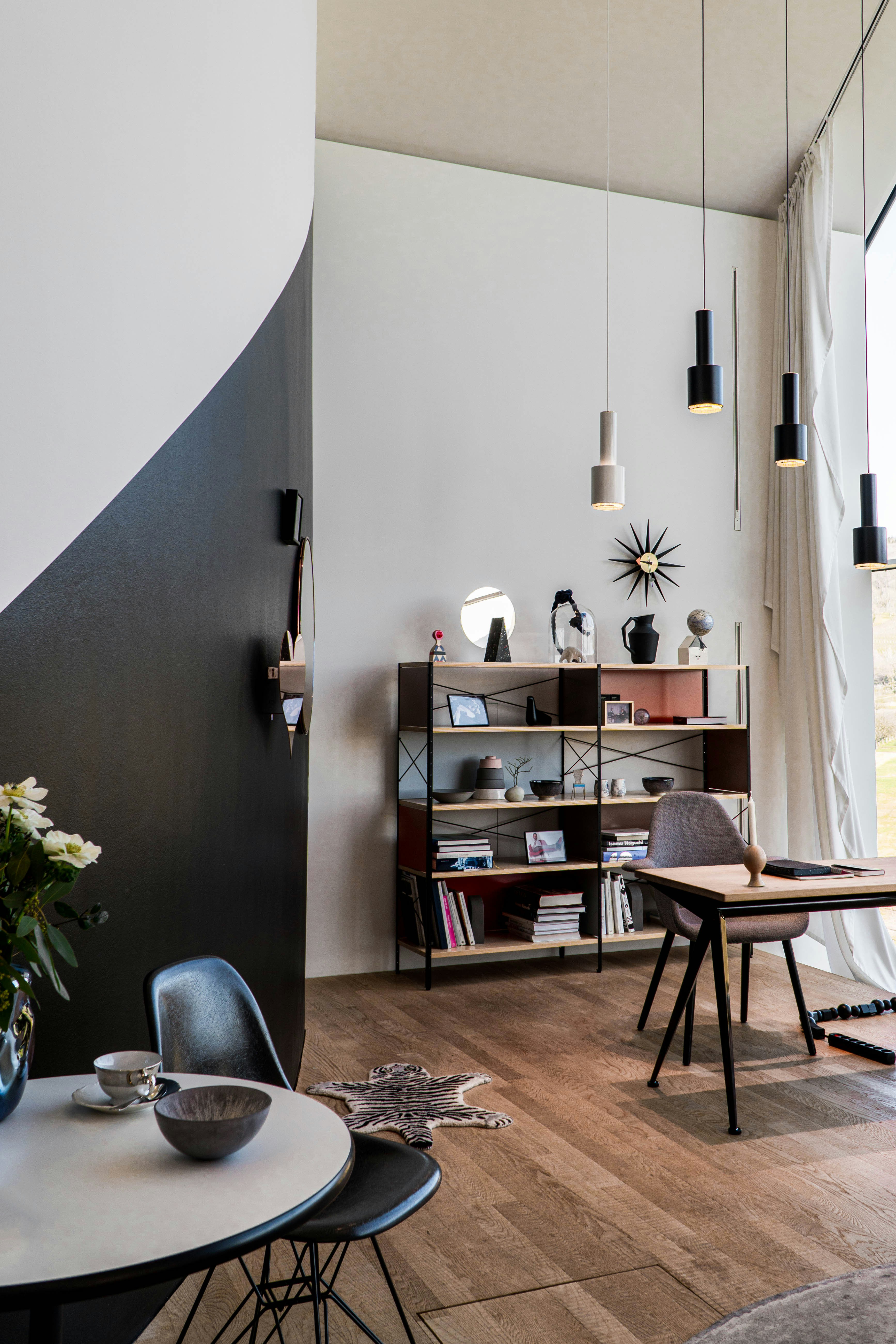
An Introduction to Interior Design Styles
Interior design styles encompass the principles and aesthetic values that shape the way spaces are created and experienced. These styles provide frameworks for designers and homeowners alike to craft environments that are not only functional but also visually pleasing. Each interior design style reflects a unique set of preferences, cultural influences, and historical contexts, making them essential in defining personal spaces.
The significance of interior design styles cannot be overstated; they play a crucial role in reflecting individual personalities, lifestyles, and even social aspirations. For instance, a modern minimalist approach might resonate with individuals who prioritize simplicity and functionality, while a bohemian style might attract those who embrace a more eclectic and vibrant way of living. Through these styles, one can communicate a sense of self, contributing to a more profound connection with one’s living environment.
As with all aspects of design, interior design styles are not static; they evolve over time in response to changing trends, technology, and societal needs. This evolution ensures that interior design remains relevant and accessible, adapting to the dynamic nature of human experience. For instance, while mid-century modern styles gained prominence in the 20th century, contemporary influences are continuously reshaping these concepts, leading to a fusion of various elements from different timelines and cultures.
The influence of various interior design styles can also be seen in popular media, social platforms, and design competitions, which often dictate the latest trends and inspiring ideas. As consumers become more discerning, the demand for distinctive and personalized styles increases, challenging designers to innovate continuously. Ultimately, the exploration of interior design styles offers a treasure trove of inspiration for anyone looking to enhance their living space with thoughtful considerations of aesthetics and functionality.
Popular Interior Design Styles Today
In the realm of interior design, various styles have emerged and gained popularity, each defining unique aesthetics and influences. One prominent style is Minimalism, characterized by its simplicity and functionality. Minimalist spaces often feature neutral color palettes with an emphasis on whites, grays, and beiges, using furnishings that are streamlined and devoid of unnecessary embellishments. Natural materials like wood and stone are commonly used, contributing to a serene and uncluttered environment that promotes tranquility.
Industrial design, on the other hand, embraces a raw and unfinished look, drawing inspiration from warehouses and factories. This style typically incorporates materials such as exposed brick, steel beams, and concrete floors. Color schemes often consist of dark tones, including blacks and browns, paired with distressed wooden furnishings that give a sense of rustic charm. Industrial spaces commonly feature open layouts, with large windows that maximize natural light.
The Scandinavian design style emphasizes simplicity, functionality, and a connection to nature. Characterized by light, airy spaces, this style often employs a palette of soft pastels and whites. Natural light is paramount, with large windows being a staple in Scandinavian interiors. Furniture tends to be functional yet stylish, often crafted from natural materials such as wood and leather, reflecting elegance and comfort.
In contrast, Bohemian design embraces an eclectic mix of colors, patterns, and textures, offering a more personalized and artistic approach. Rich jewel tones paired with earthy colors characterize this style. Typical furniture includes vintage pieces, handcrafted items, and an array of decorative textiles, creating a warm and inviting atmosphere.
Lastly, Mid-Century Modern design highlights clean lines and organic shapes, with a focus on functionality. A muted color palette often includes warm and earthy tones, while materials such as teak, walnut, and vibrant upholstery dominate the furniture choices. Mid-Century spaces evoke a sense of nostalgia while maintaining a contemporary feel.
Incorporating Current Styles into Your Home
Integrating contemporary interior design styles into your home requires a thoughtful approach that reflects both your personality and the latest trends. The first step is to choose a suitable color scheme. Start by researching current palettes, such as earth tones for a more organic feel or bold colors for a vibrant touch. Neutral colors can serve as a perfect canvas, allowing for accents with trendy hues. This method not only modernizes the space but also gives it a timeless quality.
Next, consider your furniture selection. Opt for pieces that embody current styles—mid-century modern, minimalist, or industrial—depending on the aesthetic you wish to achieve. Prioritize functionality as well as form; furniture that serves multiple purposes is particularly popular in today’s designs. Additionally, consider investing in statement pieces that can act as focal points within a room, like an eye-catching coffee table or an artistic light fixture.
Accessorizing your home is equally vital in achieving a cohesive look. Utilize artwork, textiles, and decorative items that resonate with your chosen design style. Mixing textures—such as wood, metal, and fabric—can add depth to your decor. Don’t hesitate to incorporate personal items that tell your story, but ensure they align with your overall theme. When blending different design styles, aim for a harmonious balance by choosing a unifying element, like a color or texture that appears across all styles utilized in your home.
Lastly, remember that the key to a successful integration of current styles is creating a comfortable atmosphere. Your home should reflect your individual taste while embracing modern design principles. By thoughtfully selecting colors, furniture, and accessories, you’ll create a space that is not only stylish but also welcoming.
The Future of Interior Design: Trends to Watch
The interior design landscape is continually evolving, with new trends emerging that reflect changing priorities and advancements in technology. One of the most significant trends shaping the future of this field is sustainability. As awareness about environmental issues increases, homeowners and designers alike are gravitating towards eco-friendly materials and sustainable design practices. This includes using recycled materials, selecting energy-efficient appliances, and designing spaces that minimize waste. Going green not only helps in reducing the carbon footprint but also promotes healthier living environments.
Another pivotal trend is the integration of smart home technology into interior design. As technology develops, homeowners are increasingly looking for solutions that not only make their lives easier but also enhance their living spaces. This can range from smart lighting and heating systems to advanced security measures, all of which are seamlessly incorporated into the interior design. The incorporation of technology into homes allows for increased efficiency, better control, and a more personalized experience, creating an ambiance that aligns with individual lifestyles.
Furthermore, an emerging focus within the interior design community is on wellness and the creation of spaces that promote mental and physical health. Designers are beginning to incorporate elements that optimize natural light, enhance air quality, and create calming atmospheres. This trend emphasizes the importance of designing interiors not just with aesthetics in mind but also considering the overall well-being of the occupants. Spaces are being crafted to foster relaxation, creativity, and harmony, highlighting the integral connection between the built environment and personal health.
In observation of these trends, it becomes apparent that the future of interior design will likely be dominated by principles that prioritize sustainability, technological advancement, and wellness. As designers adapt to these influences, they will continue to shape interiors that reflect a modern sensibility while addressing contemporary challenges.